- What is Solar Grid Trading?
Solar Grid Trading uses your solar panels, home battery and a smart tariff together to earn money from the energy you store. Your battery charges with free solar during the day, or with cheap electricity overnight. It then sells energy back to the grid between 4pm and 7pm, when demand and export rates are at their highest. Solar Grid trading is allowing solar owners to shorten their payback period and take control of their energy future.
- What happens to the solar energy I don't use?
Your home always uses your solar energy first. Anything left over goes into your battery, if you have one, so you can use it later instead of buying electricity from the grid. When your battery is full, any extra energy is exported to the grid, and you can be paid for it under the Smart Export Guarantee. With Solar Grid Trading, your battery chooses when to export, so you sell at the most valuable times of day.
- Do I get paid for exporting solar energy to the grid?
Yes. Under the Smart Export Guarantee (SEG), energy suppliers pay you for every unit of electricity you export. To qualify, your system needs to be MCS certified and fitted by an MCS-certified installer like Naked Solar. Export rates vary a lot between suppliers and tariffs. Some pay the same rate all day, while others, like Octopus Flux, pay more at peak times. It’s worth shopping around to find the best rate for your system.
- Do I need a specific type of battery or tariff for Grid Trading?
You need a battery that can be controlled by time or by tariff, plus a time-of-use tariff that pays more for peak exports than you pay for overnight imports. We recommend at least 13.5kWh of storage so there’s enough energy left to sell after powering your home. Our customers most often choose the Tesla Powerwall 3 or the Sigenergy SigenStor. Both work with tariffs such as Octopus Flux and Octopus Agile. You’ll also need a smart meter that records half-hourly readings.
- Is Grid Trading available in Cornwall, Devon and Bristol?
Yes. Suitable tariffs are available across the UK, and Naked Solar designs, installs and sets up grid trading systems throughout Cornwall, Devon and Bristol from our local hubs. Our team will set up your battery for your chosen tariff, so it starts trading from day one. Find out more about solar and battery installation in Cornwall, Devon and Bristol.
Solar Grid Trading
Turn your Battery into a profit making revenue stream, help the grid handle periods of high demand and contribute to a cleaner planet with ‘Solar Grid Trading’.
Solar Grid Trading is a new and enticing incentive for solar battery owners, with Solar Grid Trading, you’ve got the power (literally!) –
Increase the return on your Solar investment – Selling excess Solar back to the grid means you’ll be able to pay your Solar investment off quicker.
Become your energy supplier’s energy supplier – Many Solar & Storage owners benefit from negative bills, i.e. they earn more than they spend in a year.
Do your bit for the planet – Helping the grid to become more efficient is a big step to reducing CO2e as battery storage responds to demand quicker than the gas fired power stations typically used for peak coverage.
The Government’s Smart Export Guarantee introduced after Feed In Tariff finished in 2019, ensures Solar PV owners are paid for exported energy. Solar PV owners adding battery storage now have another way to benefit by selling excess energy generated during daylight hours back to the grid in the evening peak period.
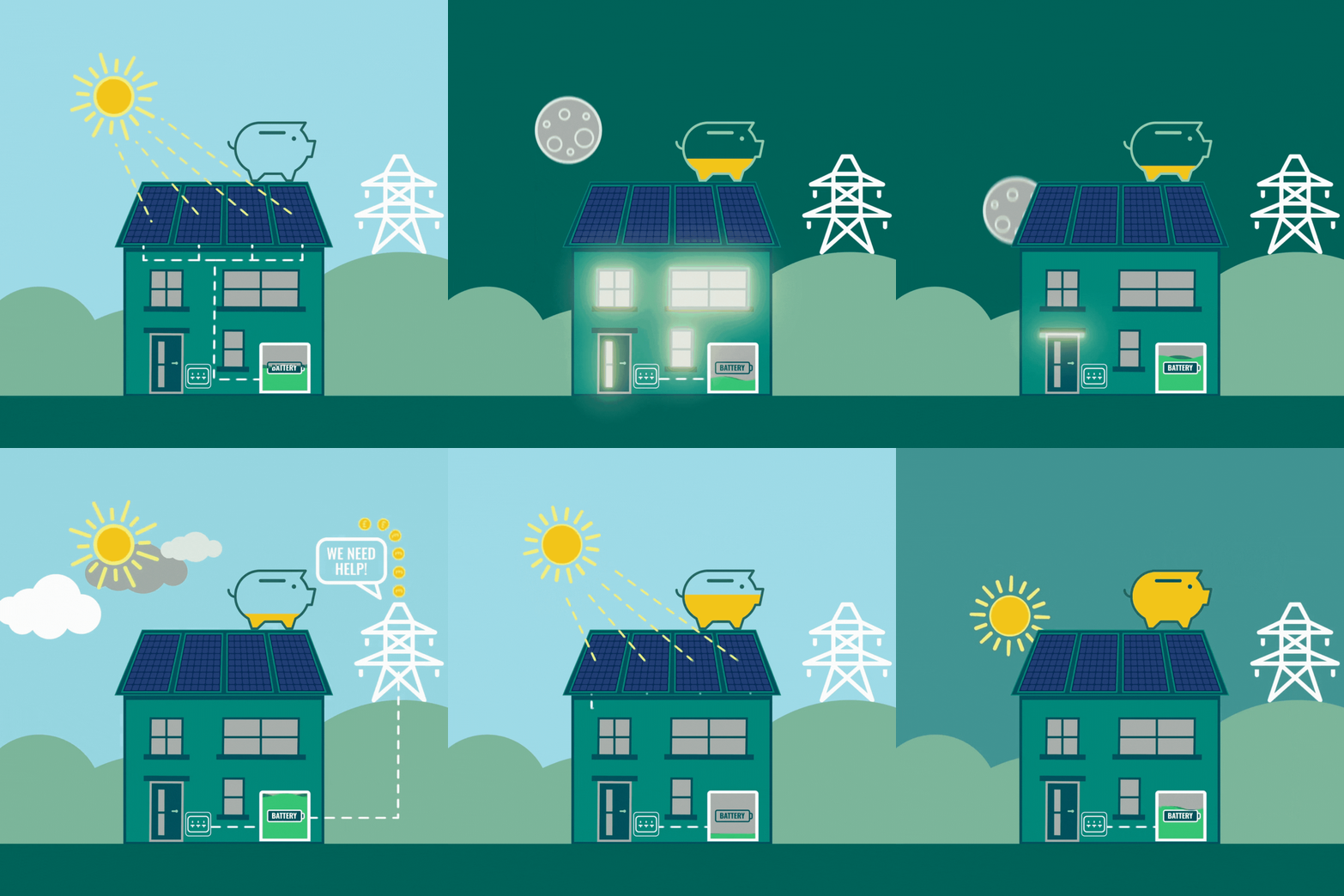
How Solar Grid Trading Works
Solar Grid Trading uses your solar panels, your home battery and a time-of-use tariff together. You store energy when it’s free or cheap, and sell it back to the grid when it’s worth the most.
Here’s how a typical day looks on a time-of-use (ToU) tariff. Exact times vary by tariff and supplier.
- 5am – 4pm: Free solar energy fills your battery
During daylight hours your panels power your home and top up your battery for free, so you use little or no energy from the grid. - 4pm – 7pm: Your battery powers your home and sells to the grid
This is peak time, when demand on the grid is highest and export rates are at their best. Your battery runs your home and sells the extra energy back to the grid at the peak rate. - 7pm – 2am: Enough is kept back for the night
Your battery holds on to enough energy to run your home through the evening and overnight, so you’re not buying power at expensive rates. - 2am – 5am: A cheap-rate top up, only when you need it
Some batteries can check tomorrow’s weather forecast. If it’s going to be cloudy, it tops up partly from the grid at the cheap overnight rate. If it’s going to be sunny, it skips the top-up and lets your panels fill it for free. Bateries without this capabilities can be set to top up on a fixed schedule instead.
Why it pays
You sell energy to the grid at peak rates that are higher than the overnight rate you pay to top up. That means every cycle earns you money, which helps pay back your solar investment faster and helps the grid cope with high demand periods.
We put together the below animation to show you how grid trading works.
How much can I earn?
How much you earn depends on your battery size, your home’s consumption needs, your tariff and the time of year. Battery size matters most. To grid trade properly, we recommend a battery of at least 13.5kWh, such as a Tesla Powerwall 3. A smaller battery usually only has enough stored energy to run your home through the evening, with little left over to sell.
Worked example: 13.5kWh battery on Octopus Flux
| Sunny months | Winter months | |
|---|---|---|
| How the battery fills | Free solar energy | Cheap overnight top up (2am–5am) |
| Energy sold at peak (4pm–7pm) | ~10kWh a day | ~10kWh a day |
| Estimated earnings | Up to around £80 a month | Around £30 a month |
Based on a Flux peak export rate of around 27p/kWh and an overnight import rate of around 15p/kWh. It assumes about 3kWh is kept back to run your home in the evening. Rates vary by region and change over time, so these figures are a guide, not a guarantee.
That’s roughly £350–£950 a year, on top of what you save by powering your home with your own solar. Customers with larger systems, or two batteries, can earn more.
Want to know the full cost of a system? See our Solar Pricing Guide.
What tariffs support Grid Trading?
To grid trade, you need a tariff that pays more for the energy you export at peak times than you pay for the energy you import at off-peak times. The UK has a rapidly growing number of tariffs that do this, and they fit different households. Tariffs and rates change regularly, so it’s worth shopping around and checking your deal at least once a year.
Below we’ve put together some popular tarrifs our customers are talking about (Updated Autumn 2026).
| Tariff type | How it works | Examples | Who It Suits |
| Solar & Battery: Time of Use (ToU) | One tariff with cheap overnight rates and high export rates between 4pm-7pm (peak usage time) | Octopus flux | The go to for most solar and battery owners. Simple but effective for grid trading gains. |
| Dynamic Pricing | Prices change every 30 mintues with the wholesale market | Octopus Agile | Customers with intelligent Battery Stroage to optimise for the biggest potential returns |
| Cheap Overnight Import & Fixed Export | A low overnight rate for charging and seperate export tariff that pays the same rate at all times | Octopus Intelligent, E.ON Next or OVO Charge Anytime | This tariff is great for households looking to charge their EV with surplus solar at a cheap overnight rate |
| Keep an eye out for: Tesla Electric | Tesla now holds a UK supply licence. More details to follow soon | We’ve got a live blog on updates ahead of Tesla Electric’s UK launch | All solar owners, but Powerwall owners can expect big benefits |
Which Batteries support Grid Trading?
For grid trading, battery capacity matters more than anything else. Your battery has to power your home through the evening and overnight, and still have enough left over to sell to the grid at peak times. A smaller system of around 5kWh will usually be used up just running your home, with little or nothing left to sell. That’s why we recommend at least 13.5kWh of storage if you want to grid trade.
These are the two batteries our customers choose most often:
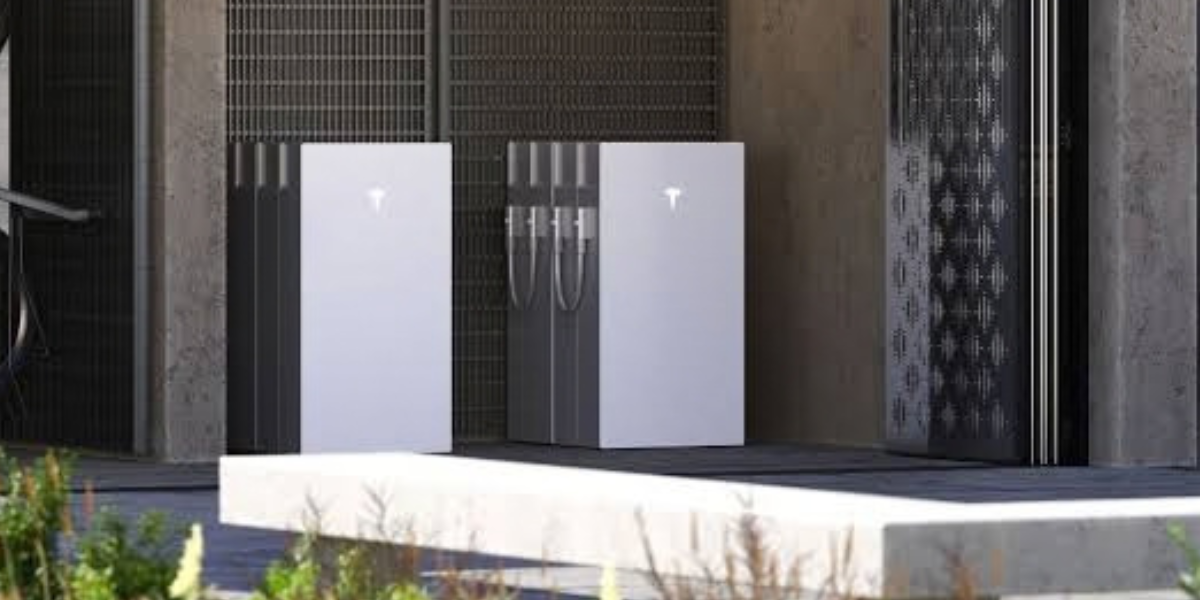
Tesla Powerwall 3
A strong all-round choice for grid trading. Each unit gives you 13.5kWh, so a single Tesla Powerwall meets our recommended minimum. Its smart settings work with time-of-use tariffs like Octopus Flux and use weather forecasts to decide whether to top up overnight. The warranty covers unlimited cycles, so you can charge and discharge every day with confidence. If you want more capacity later, you can add Expansion Packs.
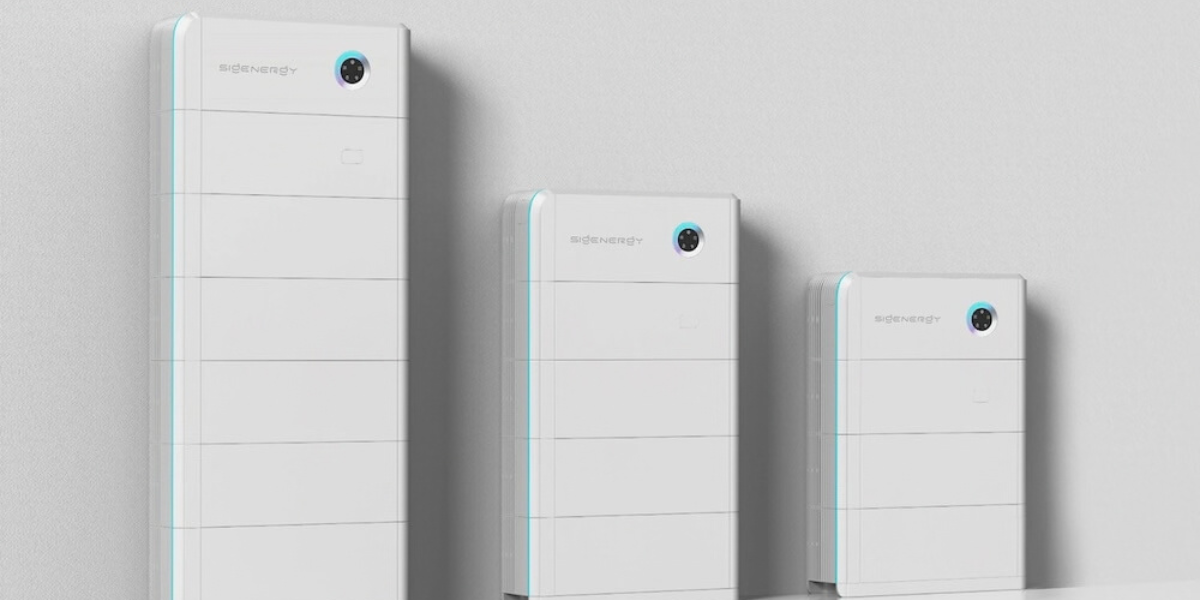
Sigenergy SigenStor
Suits homeowners who want flexibility. Because it’s modular, you can build the capacity that fits your home and add more as your energy use or trading plans grow. Its AI mode learns how your household uses energy and adjusts to your tariff in real time, so trading happens without you having to manage it. It also comes with a three-phase option, which makes it a good fit for larger homes and properties.
Naked Solar can install any Battery on the market, to find your perfect solution check out our Battery Storage Guide.
Solar Grid Trading - Frequently Asked Questions