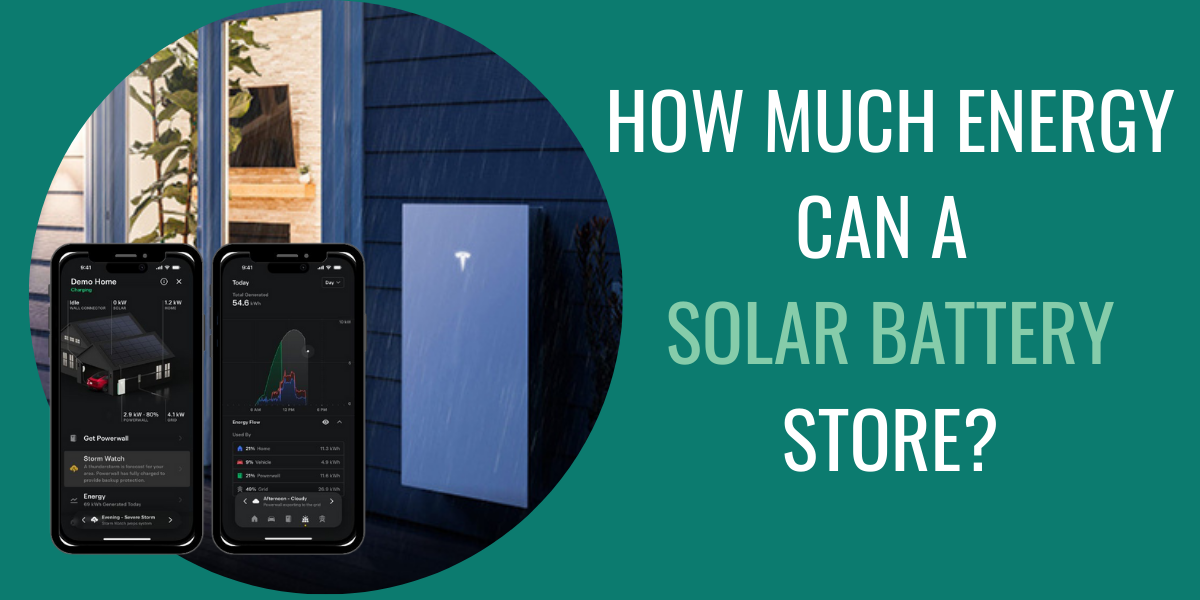
How Much Energy Can a Solar Battery Store?
Home Solar Battery Storage capacity in the UK typically ranges from 5 kWh to 50+ kWh, with most homes choosing between 10-20 kWh to cover evening energy usage and overnight consumption. The right battery size for your home depends on your daily electricity usage, whether you charge an electric vehicle, and your goals.
From minimising bills, maximising returns or achieving complete grid independence, understanding battery storage capacity helps you choose a system that delivers genuine value rather than paying for unused capacity or being caught short of room for your precious electrons.
Naked Solar don’t believe in one-size-fits-all solutions. We take the time to understand your unique needs and use the advanced PV Sol modelling tool to analyse your energy use. This allows us to help you choose a solar battery that is perfectly suited for your home or business, ensuring it serves you well for decades to come.
Key considerations for your Solar Battery Storage Capacity:
- Do you want to minimise your electricity bills?
- Do you want to maximise your return through Solar Grid Trading?
- Do you want a reliable, function rich battery storage system? Or are you focused on a low budget solution?
- Do you want to dip your toe with a smaller system and expand it later?
Naked Solar’s impartial approach means we never pigeonhole our customers. We offer a wide variety of solar and Battery Storage Systems, ensuring you make an informed choice that aligns with your specific needs and desires. Our experts are here to help you navigate your options and find the perfect solution for your home.
What Size Solar Battery Do I Need for My Home?
The average UK household uses approximately 8-10 kWh per day, meaning a 10 kWh battery would cover one full day of typical usage. However, battery sizing isn’t just about daily consumption, it’s about matching your lifestyle patterns. If you’re home during the day using solar directly, you might need less storage. If you return home after sunset and use most of your electricity in the evening, you’ll benefit from a larger capacity.
Homes with electric vehicles typically require 15-20 kWh minimum to comfortably charge overnight using stored solar, whilst those with heat pumps may need 20 kWh+ during winter months when solar generation is lower. The key is understanding when you use energy, not just how much.
Understanding kWh: What Does Battery Capacity Really Mean?
One kilowatt-hour (kWh) equals using 1,000 watts of power for one hour. In practical terms, 1 kWh could run your fridge for roughly 24 hours, power a washing machine for one cycle, or keep LED lights on throughout your home for an entire evening.
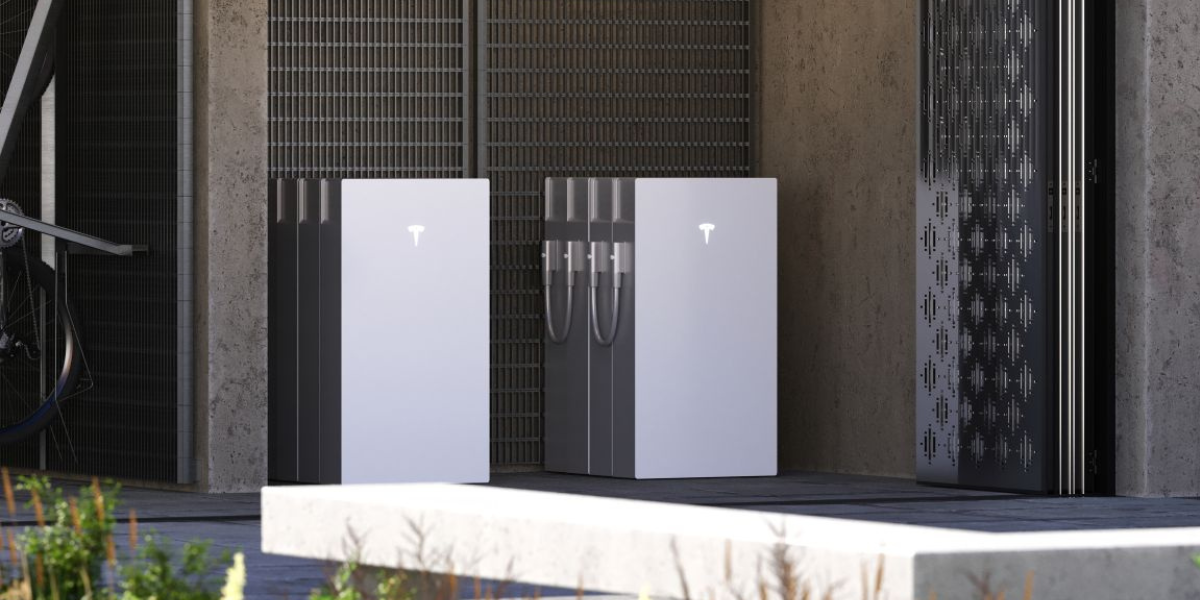
When we talk about a 13.5 kWh battery like the Tesla Powerwall 3, that’s 13.5 hours of using 1,000 watts continuously, or in reality, powering your typical evening usage (lights, TV, cooking, charging devices) for a full night and beyond. Understanding this helps you visualise whether a 10 kWh battery giving you “evening coverage” genuinely matches your actual evening energy consumption.
Battery Storage Capacity Guide: Small, Medium & Large Homes
Choosing the right battery capacity depends on your household size and energy consumption patterns. Below we’ve broken down typical battery sizes by home type to help you understand what capacity range suits your needs. Remember, these are guidelines, actual requirements vary based on EV charging, heat pumps, individual usage patterns and your desires.
Modern Solar Batteries usually range from 5 kWh to 50 kWh of storage (1 kWh = 1 unit of electricity). Here’s what that means in practice:
| Battery Capacity | Usage Snapshot | 5–10 kWh | Enough for smaller households to cover evening usage after the sun goes down. |
| 10-2o kW | Powers medium to larger homes with higher energy needs particularly with EV charging, hot tubs or heat pumps for up to 1 day | ||
| 20 kWh + | For high-demand homes, businesses, or those looking for near-total independence from the grid. |
- 5–10 kWh: enough for smaller households to cover evening usage after the sun goes down.
- 10–20 kWh: powers medium to larger homes with higher energy needs particularly with EV charging, hot tubs or heat pumps for up to 1 day.
- 20 kWh+: for high-demand homes, businesses, or those looking for near-total independence from the grid.
To put that into perspective:
- A 10 kWh battery could power a fridge, lights ,Wi-Fi a couple of hours of tele & some cooking for around 24 hours.
- A 20 kWh battery could charge an electric car for roughly 60 miles of range.
Popular Battery Sizes Compared:
- Tesla Powerwall 3 (13.5 kWh useable, from £8,900) = powers average 3-bed home for 1.5 days
- Sigenergy SigenStor (5.8 kWh useable, from £6,700) = covers typical evening usage + some overnight base loads.
Both systems are expandable = start smaller, add capacity as needs grow
Learn more on our ‘6 Watts? of Solar Storage’ page, including our Storage Comparison table.
Quick Solar Battery Size Calculator
Not sure what size you need? Use this simple guide:
Daily electricity usage under 8 kWh → 5-10 kWh battery
Daily usage 8-12 kWh → 10-15 kWh battery
Daily usage 12-20 kWh → 15-20 kWh battery
Daily usage 20+ kWh or EV charging → 20-30 kWh+ battery
For accurate sizing based on your solar generation, roof orientation, and consumption patterns, our award-winning team uses advanced PV Sol modelling to design your perfect system.
Scalable Systems: Grow As You Need
Advancements in Battery storage technology allows homeowners to add to their storage capacity after Installation. This not only allows the system to be futureproofed as energy demands change but scale accordingly as the system pays back.
- Tesla Powerwall 3 Expansion Pack: An 13.5 kWh unit of storage to your Tesla Powerwall system without needing another inverter. You can add up to three DC expansion pack units per Powerwall 3 Unit, meaning a total of 54 kWh
- Sigenergy Sigenstor: A flexible system that allows you to add 6kWh or 9kWh modules over time, scaling up your battery bank as your energy use grows. The system is scalable to 54kWh per stack.
- Fox ESS: For the budget conscious, the Fox ESS provides a reliable Battery Storage option. Battery modules can be added to reach up to 41.6kWh for larger home systems.
This scalability makes solar batteries a future-proof investment – perfect for when you add an EV, a home office, or new appliances.
Why Bespoke Design Matters
Every home uses energy differently. That’s why we use PV Sol software to design systems with precision. This powerful tool lets us:
- Model your roof, shading, and orientation in 3D
- Simulate your household’s energy consumption patterns
- Compare how different batteries will perform for you
The result? You’ll know exactly how much energy your solar battery can store and how much of that stored energy you’ll actually use. Discover the power of PV Sol and exactly how we use it with our try before you buy tool.
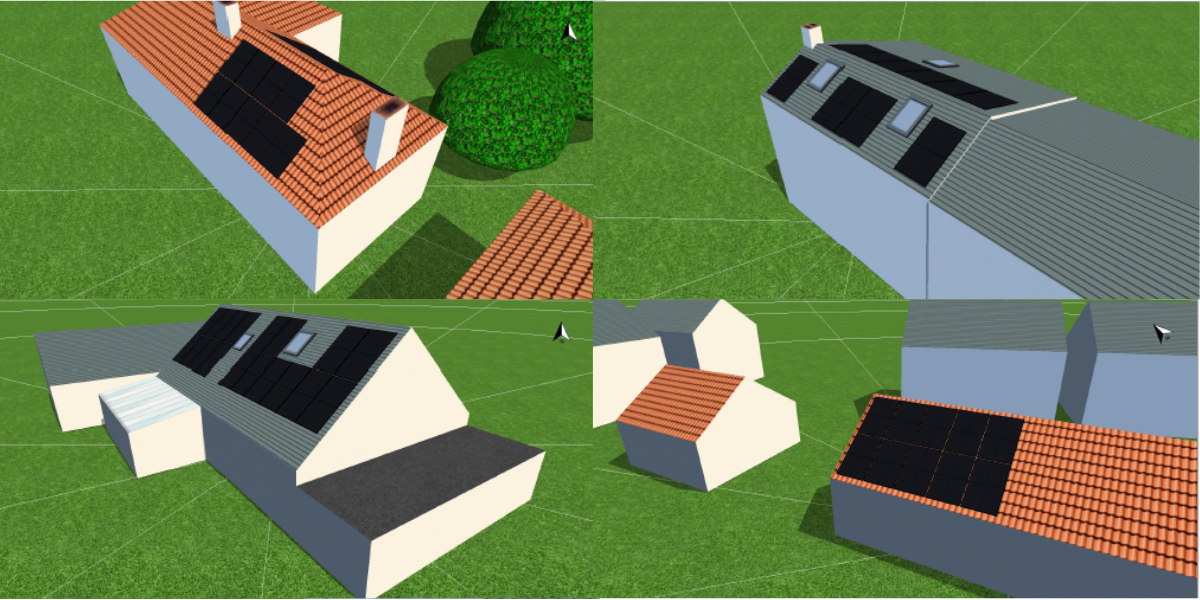
Our in-house design team will produce a bespoke Solar report for your home, helping you make an informed decision.
How Long Will My Battery Last?
A good solar battery should last at least 10 years, and often longer. Many come with warranties guaranteeing thousands of charge cycles, which equates to well over a decade of daily use.
That’s why our team focuses on matching you with the right-sized battery for your lifestyle, not just today but for the future too. When researching this topic, it can be easy to feel pushed to chase short-term market or price trends. We always advise against that – a carefully chosen system will outlast price fluctuations and special offer tariffs to give you reliable value for the long term.
The Naked Solar Difference
Naked Solar install any products – Tesla, Sigenergy, or any another manufacturer so we can remain impartial and advise on what’s best for your property and desires. To give homeowners a clearer overview of two powerhouses in the Battery Storage market, we put together a Tesla Powerwall 3 vs Sigenergy Sigenstor article.
As an independent installer, Naked Solar don’t take commission, so you can be confident our advice is impartial. With us, you’ll get a tailored system, not an off-the-shelf bundle.

Our award-winning team have helped thousands of homeowners in Cornwall, Devon, Exeter, Bristol and throughout the South West. We’d be delighed to help you, too.
FAQs About Solar Battery Storage
What size battery for a 3-bedroom house UK?
A typical 3-bedroom house in the UK uses 8-10 kWh per day, making a 10-13.5 kWh battery ideal for most families. This covers evening usage after solar production stops. Households with EVs or heat pumps typically need 15-20 kWh.
How do I calculate what size battery I need?
Start with your daily electricity usage (check your energy bills or smart meter). Your battery should store enough for your evening/overnight consumption, typically 50-70% of daily usage. Our team uses PV Sol software to model your exact usage patterns and recommend the optimal size.
Can I use battery storage without solar panels?
Yes. Many homeowners install battery storage alone to take advantage of cheap overnight tariffs, storing electricity when it’s cheapest and using it during expensive peak hours. This works particularly well for homes where solar isn’t suitable due to shading or roof constraints.
How much does a 10 kWh battery cost in the UK?
A 10 kWh battery system typically costs £6,000-£8,000 installed in the UK, though prices vary by brand and features. Systems with AI forecasting, longer warranties or backup power capability sit at the higher end. Remember, 0% VAT applies to all battery storage installations until 1st April 2027.
Is a 10 kWh solar battery enough for a house?
For smaller or average households, 10 kWh will usually cover evening and night-time use. Larger homes or those with EVs may need 15–20 kWh or more.
How many solar batteries do I need to go off-grid?
That depends on your daily consumption. Most homes would need 20–40 kWh of storage to achieve near-complete grid independence throughout the winter.
What happens when a solar battery is full?
Excess electricity can be exported back to the grid (learn how you can turn your Solar Battery Storage into a renewable revenue stream with Solar Grid Trading) or diverted to other systems like water heating.
Can you add more batteries later?
Yes. With modular systems like Tesla Powerwall 3 Expansion Packs or Sigenergy SigenStor, you can expand your storage capacity over time.
Talk to Naked Solar
So, how much energy can a solar battery store? Anywhere from 5 kWh to 50+ kWh – but the right answer depends on you and your space. With modular systems, smart software, and a trusted installer like Naked Solar, your system can grow with you while delivering peace of mind for the next decade and beyond.
Ready to see how much storage your home could benefit from? Explore battery storage with Naked Solar or talk to our team today.
Find Your Perfect Storage Solution