The hidden cost of “Cheap” Solar?
Since 2010, we’ve seen it all. Our expertise is built on over a decade of our own high-quality installs and, just as importantly, being the team people call to rectify and optimise systems installed by others – which we’re always happy to do.
Naked Solar believe every Solar installation should be safe, reliable, and worry-free for decades. We’ve built this guide to empower you with the right questions and insights to ensure your solar journey is smooth and successful, regardless of who handles your install.
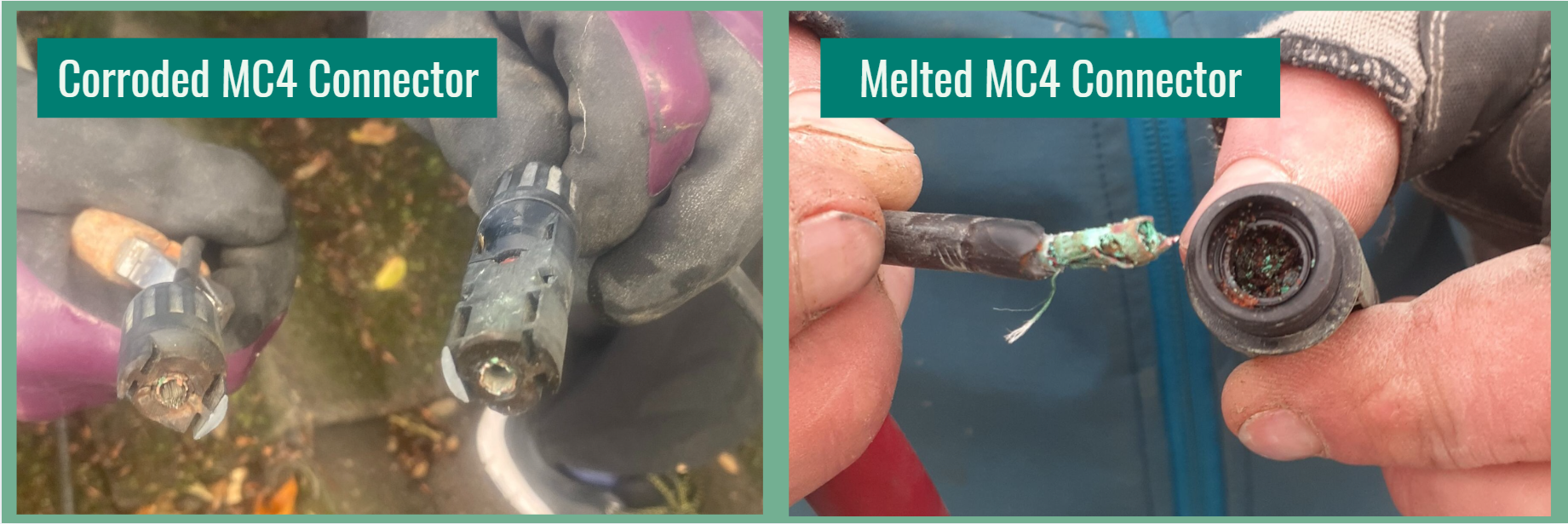
RISO fault: A small issue with a BIG price tag
Every Autumn the Naked Solar team braces for “RISO season.” As the weather turns wet and windy, we’re flooded with calls from frustrated Solar owners. Many of these people’s systems were installed by companies that either don’t know how to help, have gone bust, or simply won’t respond.
The Cause: Poor MC4 Connector Installation
Solar PV faults are few and far between, RISO faults are the most common issue with 80% of these caused by installer error. While the connectors are cheap (around £5), the costly errors include:
❌ Incorrect cable stripping during the initial setup.
❌ Using improper tools instead of the manufacturer-specific MC4 crimping tool.
❌ Mismatched components by mixing connectors from different manufacturers.
❌ Incorrect torque when tightening the connectors.
These errors allow moisture to seep in over time, leading to corrosion, overheating and melted components.
The Cost: £1,000 to £2,000+
Repairing a RISO fault is expensive and difficult because:
-
Scaffolding is required for technicians to safely investigate the Solar array.
-
Extensive labour is needed to test every panel and cable.
-
Difficult to find as the faults are often intermittent due to varying weather conditions.
-
Further System damage Inverters may need replacing due to extra strain on relays and other components caused by the RISO fault.
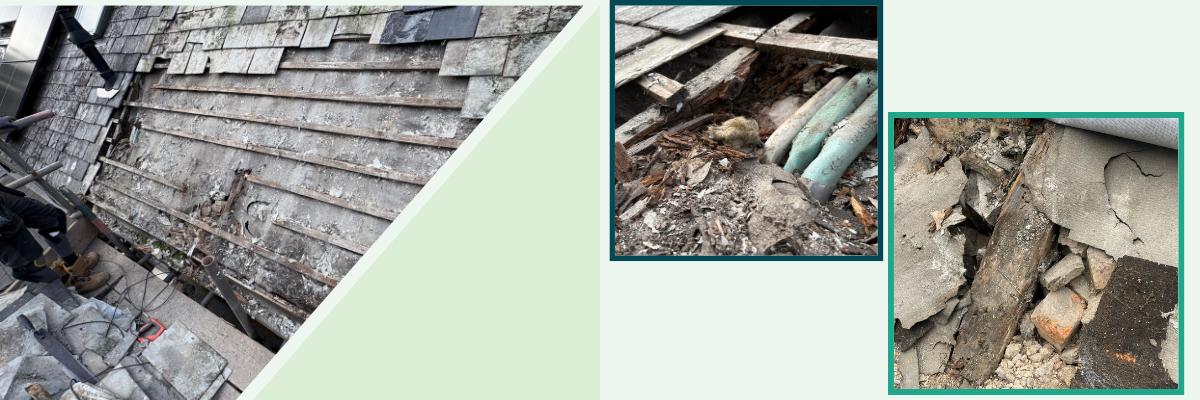
Sue contacted Naked Solar after noticing intermittent faults with her 9-year-old system. With her original installer no longer in business, she needed an expert to diagnose why her panels were acting up.
The Root Cause: The Solar Limpet System
Our inspection revealed the culprit: the Solar Limpet mounting system.
The Limpet mounting system is no longer MCS Certified, and for good reason—it is notoriously difficult to install correctly. Even a minor miscalculation during installation can lead to long-term water ingress, causing significant structural damage over time.
The Result: A 30-Second Shortcut Can Lead To A £12,000 Roof Rebuild
Because the damage was hidden beneath the panels, the repair process was substantial. To ensure the safety of Sue’s home, the following steps were required:
-
Professional Consultations: Multiple roofing experts were brought in to assess the extent of the rot.
-
Structural Repairs: Compromised timber had to be replaced entirely to restore the roof’s integrity.
-
Official Certification: A comprehensive structural assessment was conducted to sign off on the repairs.
- Full Solar Reinstallation: Upon restoring the roof’s integrity, Sue’s solar system is waiting to be installed in a safe, reliable and durable way.
While these steps ensured the home’s safety, they unfortunately resulted in a significant a bill in the thousands and months of stress trying to rectify the problem, as well as significant lost generation impacting Return On Investment of the solar system
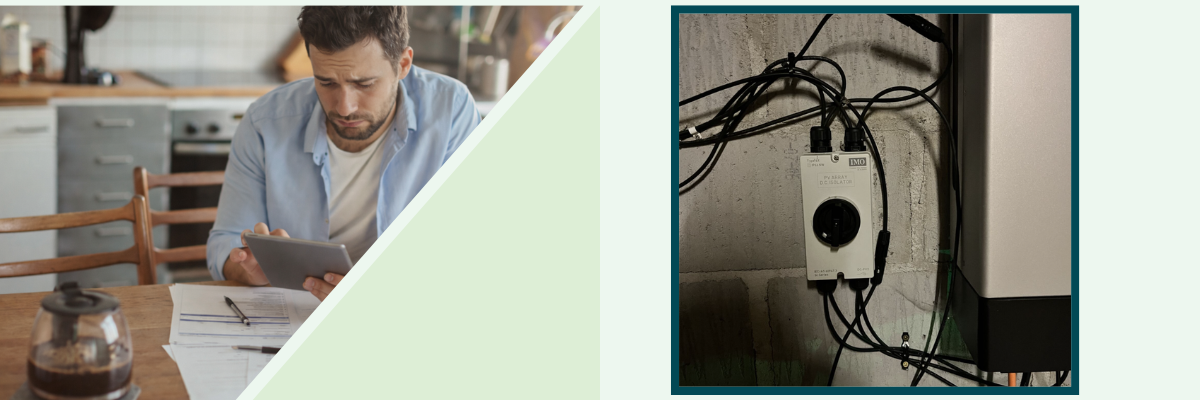
To an Installer less experienced, the Total Generation Meter (TGM) may seem like an optional extra or something a customer’s energy company deals with – in the case below this lack of fundamental knowledge has cost a homeowner a £900 clawback, and may result in losing thousands in future FIT earnings.
The Technical Oversight
A customer recently approached us seeking help after a botched solar battery installation from a low-cost provider. They chose the cheapest quote on the market, but it ended up costing them significantly more in the long run.
The previous installer failed to fit a bidirectional Total Generation Meter (TGM)—a critical piece of equipment they likely didn’t even know was required for this specific configuration.
The Issue
Because the system wasn’t set up correctly, it could not track energy generation accurately. The consequences were immediate:
❌Wrong Meter Installed: Incorrect Feed-in Tariff (FIT) readings were sent to the energy company.
❌ Financial Penalty: The Energy Supplier clawed back £900 in FIT payments from the customer.
❌ The “Double Pay” Trap: The customer then had to hire Naked Solar to retrofit the correct meter just to stop the losses and fix the system.
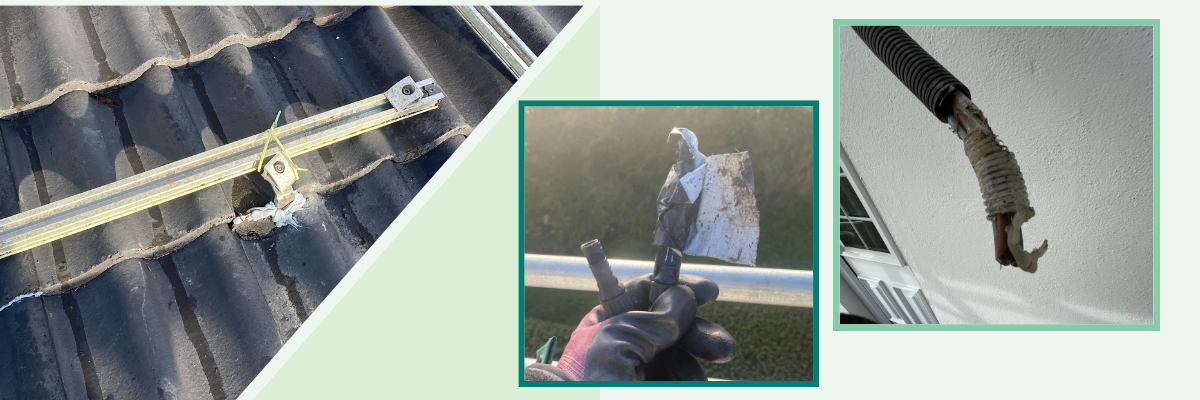
The 5p shortcut that risked a whole house
Following a recent “remove and reinstall” by a third party, Elizabeth’s solar array was found to be in a state of critical failure. Our investigation uncovered extreme negligence that compromised both the structural integrity of the roof and the electrical safety of the system.
While it might hold together on a sunny afternoon, a solar array is a giant sail. On a windy day, the lift force on those panels is massive. Plastic ties become brittle in UV light and snap under tension, turning your 20kg solar panels into flying projectiles.
Key Findings:
❌Structural Risks: Mounting rails were secured with plastic cable ties instead of steel bolts, and roof hooks were glued in place rather than screwed into rafters.
❌Physical Hazards: Loose panel clamps left modules at risk of blowing off the roof, while improper foot placement resulted in multiple cracked tiles and water leaks.
❌Fire & Electrical Safety: 30% of the panels were wired with cross-polarity (reversed wiring), creating a severe fire risk. High-voltage DC cables were also left exposed and resting on abrasive tiles.
❌Substandard Weatherproofing: Proper metal flashing was replaced with scrap lead and glue, providing no long-term protection against the elements.
The result: Paying for a solar installation TWICE
Due to the extent of the damage, a simple “patch-up” was not possible. To ensure the home is safe and the system is functional, we are performing:
- Total Roof Repair: Replacing damaged tiles and installing permanent, compliant waterproofing.
- Full Reinstallation: A complete teardown and rebuild of the array using industry-standard steel fasteners, rafter-screwed anchors, and correct electrical mapping.